New Push for NY Legislation Requiring Two-Person Crews on Subway Trains.
Poll Finds Overwhelming Rider Support
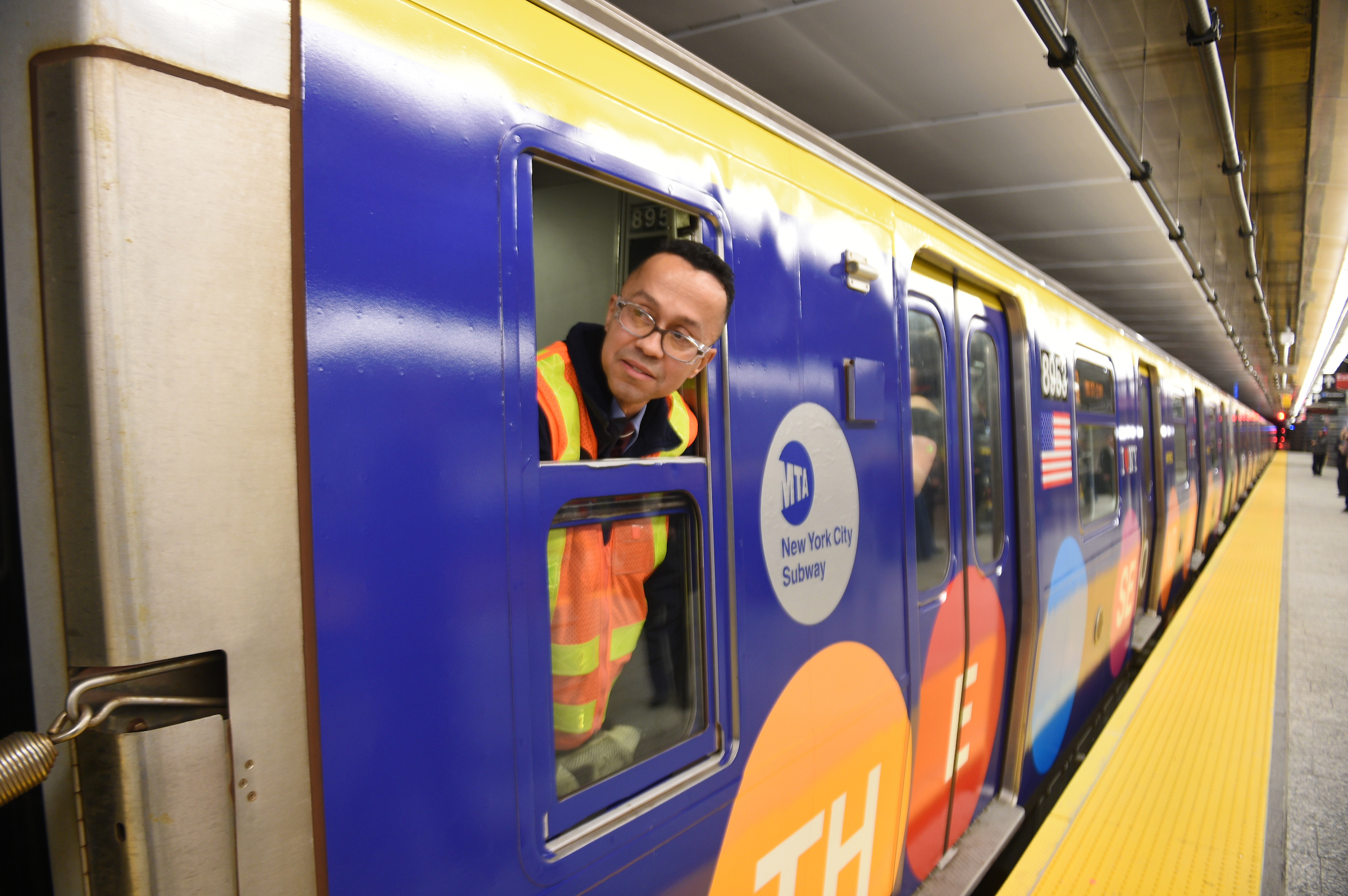
A new poll reveals that subway riders overwhelmingly – nearly 9 in 10 – support legislation requiring the MTA to maintain two-person train crews, with a Conductor and a Train Operator on board.
Most riders view Conductors as essential front-line workers because they deter crime with their uniformed presence, they summon police and other first responders when needed, and are trained for emergencies such as train evacuations, the poll commissioned by The Transport Workers Union found.
Gov. Hochul vetoed legislation requiring two-person crews in December, but the TWU is working with NY state legislators to reintroduce the bill with amendments to address concerns raised in the governor’s veto message. Senator Kevin Parker will sponsor the bill in the Senate, and Assemblywoman Monique Chandler-Waterman is expected to sponsor it in the Assembly.
An alliance of support, led by the Transport Workers Union, is emerging. It includes transit riders and disability activists who rely on two-person crews to help them safely navigate the complexity of the MTA’s transit system, such as Disabled in Action, the Brooklyn Center for the Independence of the Disabled, the Riders Alliance, and Passengers United.
“The overwhelming majority of riders want to keep Conductors on their trains and don’t want to see staffing reduced because of automation,” TWU International President John Samuelsen said. “They don’t trust their safety and security to robots, to artificial intelligence, to technology.”
The poll was conducted by the Honan Strategy Group.
Key Findings:
87% support legislation requiring a two-person crew with a Conductor on subway trains.
86% believe uniformed Conductors deter crime, harassment, and hate incidents, especially at night.
84% agree that having two trained crewmembers on board, instead of just one, is critical during fires, medical emergencies, track incursions, evacuations, and other events.
61% oppose moving to one-person crews, and 61% oppose fully automated trains.
The MTA has One Person Train Operation without Conductors in effect on some of its smaller shuttles and has been adding OPTO technology to major subway lines. The TWU believes the MTA will push for OPTO expansion in upcoming contract talks with TWU Local 100. The contract expires May 15.
A total of 1,517 interviews were completed among transit riders across the New York metropolitan area from February 7th to 14th, 2026 – including New York City (52%), Northern New Jersey (31%), and Long Island (17%). The survey achieved an overall margin of sampling error of +/-2.51% and larger for subgroups.
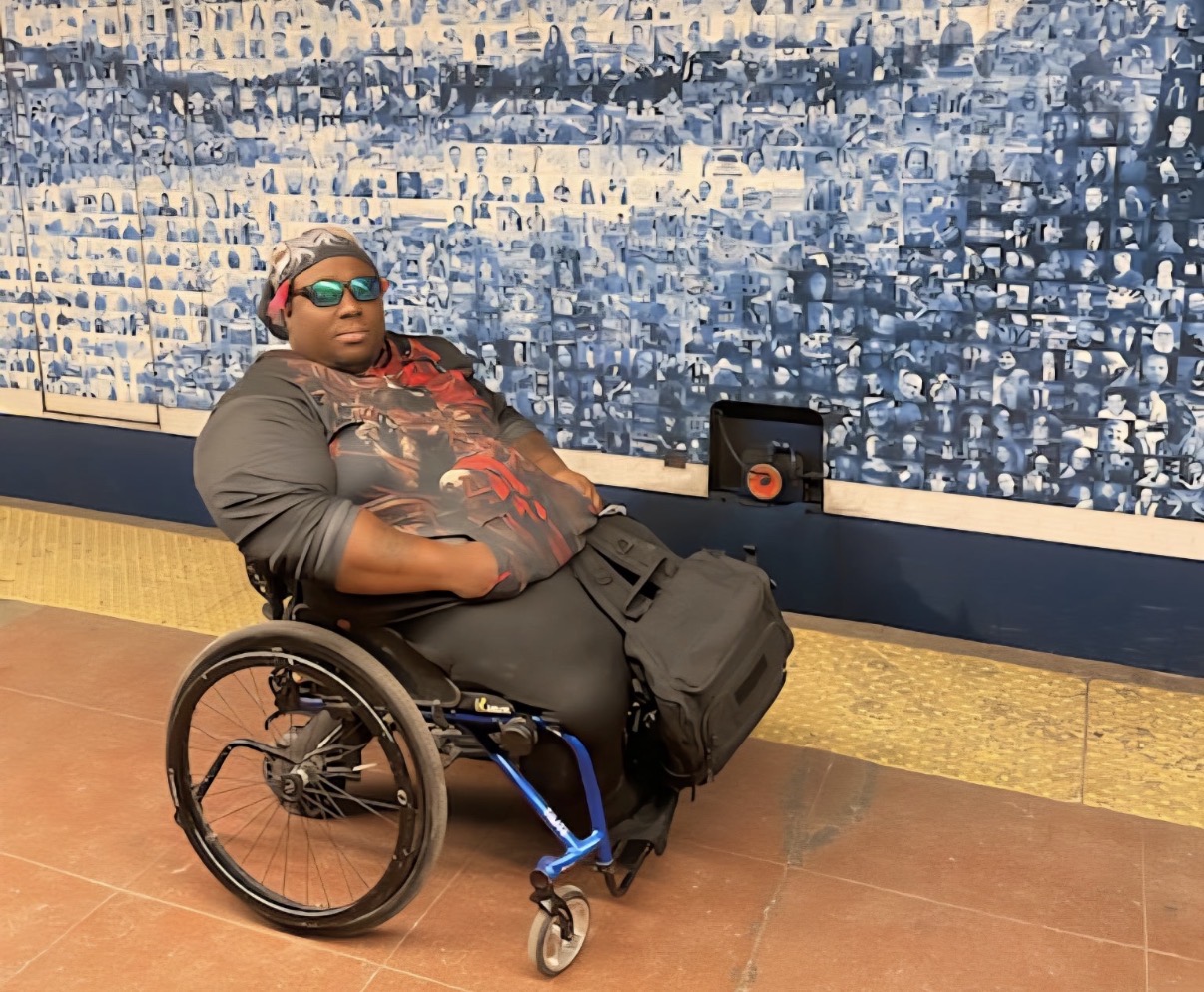
Subway rider Dustin Jones
Dustin Jones has only traveled in the Conductor’s car subway trains ever since becoming a wheelchair user 15 years ago.
“That’s been my car,” he said. “Fifteen years. I’ve never ridden in another car. Ever. It’s a feeling of safety. If something goes wrong, I know I can knock on the window. If I have a question and need an answer, or if someone is acting weird, I don’t have to try and maneuver between cars to try and get help, which is dangerous on two feet, even more dangerous in a wheelchair.”
Rasheta Bunting, who is blind, has been on a train that had to be evacuated between stations three times and can’t imagine not having a Conductor on board. One train came to a halt between stations because of a blackout. The car on another train derailed. And a third train was stuck in place after a subway surfer riding on top was fatally injured.
“Conductors are a necessary part to help the whole MTA subway system work,” she said. “They’re just as integral a part of the process as the motorman. On a scale of one to ten, I’d say it’s a 100 in terms of safety.”
Danny Pearlstein, policy and communications director at the Riders Alliance, agreed: “New York subway riders rely on their conductors on and overwhelmingly want them on board. From providing directions to keeping an official eye on everything that unfolds underground, conductors play an essential role in our comfort and safety.”